Business travel is often designed for speed, efficiency, and predictability. But for millions of professionals whose brains process information differently, the realities of corporate travel can introduce a very different experience.
As much as 20% of the world’s population is neurodivergent, according to a recent Northwestern Medicine report. That includes individuals with autism, ADHD, dyslexia, OCD, and other cognitive differences that shape how people process information, manage sensory environments, and adapt to change.
For neurodivergent business travelers, the fast-paced and unpredictable nature of travel—from crowded airports to disrupted routines—can create additional stress.
Thankfully, awareness of neurodiversity is growing across the travel industry.
“What we’re seeing is a fundamental shift in how the industry approaches neurodiversity,” Richie Karaburun, a clinical associate professor at New York University’s Jonathan M. Tisch Center of Hospitality, told Travel Weekly. “And it’s no longer just about the family travel category anymore. Business travelers, solo travelers—they’re all part of this conversation. These travelers are now saying, ‘This is who I am, and this is what I need to have a better experience.’”
As organizations expand diversity, equity, and inclusion initiatives, travel management companies (TMCs), suppliers, and corporate travel managers are beginning to rethink how corporate travel programs can better support neurodivergent employees.
“Travel environments are full of sensory input and uncertainty,” said Carol Del Giudice, a Christopherson account executive. “For many neurodivergent travelers, even small adjustments in planning and communication can significantly improve the experience.”
Why business travel can be especially challenging for neurodivergent travelers
Neurodiversity refers to the natural variation in how people think, learn and process information. The Neurodiversity Alliance describes neurological differences such as autism, ADHD and dyslexia as “natural variations of the human brain.”
While many workplaces have made progress in recognizing the strengths neurodivergent individuals bring—including creativity, analytical thinking, and strong pattern recognition—the travel experience itself has not always evolved at the same pace.
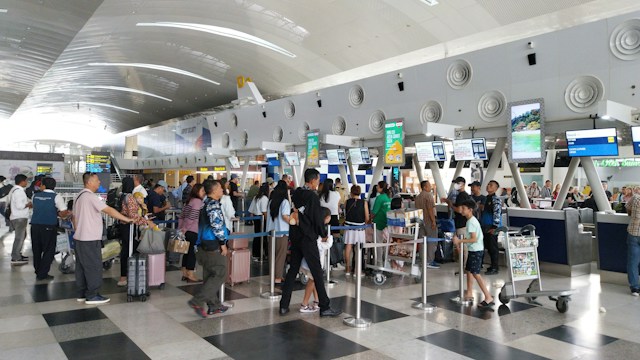
Business travel environments often involve intense sensory input and unfamiliar surroundings. Airports, conference venues, and large hotels can expose travelers to bright lighting, loud announcements, crowded spaces, and long lines. For travelers who rely on routine and predictability, disruptions such as flight delays or last-minute itinerary changes can add another layer of stress.
BCD Travel has identified these factors as common challenges for neurodivergent travelers.
“Under the best circumstances, traveling for work can be stressful,” BCD notes. “For neurodivergent business travelers, the added sights, sounds, crowds, delays, or routine changes can make trips even harder.”
When travel environments create anxiety or sensory overload, employees may struggle to focus on meetings, presentations, or networking opportunities that are central to the purpose of business travel.
For travel managers, that reality is prompting a closer look at how trip planning and policy design can reduce unnecessary stress.
Designing travel programs with neurodivergent travelers in mind
As awareness grows, more organizations are exploring how to support neurodivergent business travelers through thoughtful travel program design. In many cases, meaningful improvements don't require major policy changes. Instead, they involve making travel experiences more predictable, transparent, and flexible.
Provide clearer travel information
Detailed itineraries and clear travel instructions can help travelers prepare for their journey and reduce uncertainty. Advance information about airports, hotel layouts, or transportation options can also make unfamiliar environments easier to navigate.
“Providing detailed trip information ahead of time allows travelers to plan for the experience,” said Del Giudice. “That preparation can make a significant difference.”
Simplify itineraries and personalize travel planning
Complex itineraries can create unnecessary stress for many travelers, particularly those who rely on predictability and routine. Travel managers and travel advisors can help reduce these challenges by designing trips that prioritize simplicity and accommodate individual needs.
“When we understand a traveler’s needs, we can build itineraries that avoid unnecessary stress,” Del Guidice said. “That might mean choosing quieter hotels, scheduling flights at less crowded times, or avoiding tight connections.”
Work with neuroinclusive suppliers
Across the travel industry, some suppliers are introducing services designed to support travelers with sensory sensitivities and other invisible disabilities.
Many airports now offer quiet rooms or sensory spaces where travelers can step away from crowded terminals and decompress before a flight. Airports such as Pittsburgh International Airport and Seattle-Tacoma International Airport have introduced sensory rooms designed with dim lighting, calming visuals, and reduced noise to help travelers regulate sensory input.
Airports and airlines are also increasingly adopting the Hidden Disabilities Sunflower program, which allows travelers to wear a sunflower lanyard to discreetly signal that they may need additional assistance or patience while navigating the airport. The program helps airport staff recognize that a traveler may have a non-visible disability, including autism, ADHD, or other neurological conditions. The initiative is now used by more than 200 airports and airlines worldwide.
Some airports, like Salt Lake City International, also offer practice travel programs, such as the Wings for Autism / Wings for All initiative, where neurodivergent travelers can rehearse the airport experience—from check-in and security screening to boarding a plane—before taking an actual trip. These programs help travelers become familiar with airport environments and reduce anxiety ahead of travel.
Hotels are beginning to introduce similar improvements, including clearer signage, simplified check-in processes, and more detailed pre-arrival information so guests know what to expect before they arrive. Agents can also message a hotel ahead of time to make them aware of a guest with special needs.
Together, these initiatives reflect a growing recognition that travel environments affect people differently, and that relatively small changes can make business travel more manageable for neurodivergent travelers.
Creating travel experiences for every kind of mind
As organizations continue expanding diversity and inclusion initiatives, neurodiversity is becoming an increasingly important part of the conversation. Ensuring that travel experiences are manageable and supportive will become more important for companies whose employees travel frequently.
For travel managers and TMCs, that means designing travel programs that prioritize clear communication, thoughtful trip planning, and greater awareness of traveler needs.
“Designing travel programs with neurodiversity in mind ultimately benefits everyone,” Del Giudice explained. “When travel is easier to navigate, travelers can focus on the purpose of the trip.”
► You’ll also like: Accessibility in business travel: How can the industry do better?
FAQs
What does neurodivergent mean in business travel?
Neurodivergent travelers are individuals whose brains process information differently due to conditions such as autism, ADHD or dyslexia. In corporate travel, neurodivergent travelers may benefit from clearer communication, predictable itineraries and sensory-friendly environments.
Why is accessibility important in business travel?
Accessibility ensures all employees can travel safely and effectively. According to the GBTA Accessibility Toolkit, 39% of business travelers report accessibility requirements that affect their performance. Accessibility needs can be temporary or long term, and travelers often need additional support.
How can travel programs support neurodivergent employees?
Neurodivergent travelers should communicate with their employer first. Travel programs can then support neurodivergent travelers by offering flexible travel policies, detailed itineraries, accessible booking tools, quiet hotel environments and personalized travel advisor support.
What role do travel management companies play in accessible travel?
Travel management companies help organizations design inclusive travel programs, coordinate accessible supplier options and provide traveler support throughout the journey. Traveler profiles can show wheelchair needs and medical alerts.