For travel managers, the latest industry developments raise important questions about how business travel will be booked, serviced, and supported in the future. From regulatory changes to emerging transportation options, October's headlines point to new opportunities and challenges for corporate travel programs.
TSA working on PreCheck improvements
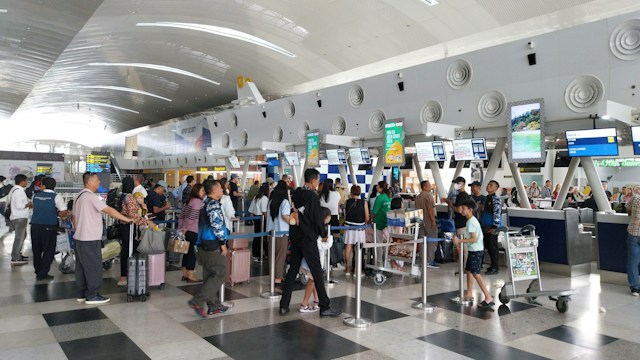
The TSA plans to test upgraded PreCheck security lanes at seven airports, combining automated identity verification, faster body scanners, and AI-assisted baggage screening to potentially double passenger throughput. The improvements are part of the agency’s Horizon 25 initiative, which aims to modernize airport security and attract an additional 20 million PreCheck members. The TSA is also considering allowing additional items through the upgraded lanes, although specifics have not been announced.
Learn more
GBTA urges EU to make travel across Europe easier to book and manage
The Global Business Travel Association (GBTA) is urging EU policymakers to simplify business travel across Europe by improving access to rail and multimodal booking options, strengthening passenger protections, and making disruptions easier to manage. Its recommendations call for travel management companies and booking platforms to have the same servicing capabilities as direct suppliers, including rebooking, cancellations, and refunds. GBTA also emphasizes maintaining corporate travel policy controls while making it easier for travelers to compare, book, and manage journeys involving multiple transportation providers.
Learn more
IATA: Corporate SAF demand could rise 6x by 2030
Corporate demand for sustainable aviation fuel (SAF) could increase nearly sixfold by 2030, supporting up to 1.9 million metric tons of production, according to a new International Air Transport Association (IATA) report. However, high costs, unclear emissions-accounting rules, and complicated purchasing processes remain significant barriers, with only about 15% of companies currently buying SAF. IATA is calling for standardized book-and-claim systems, government incentives, and expanded production capacity to help businesses contribute to aviation's emissions-reduction goals.
Learn more
FAA authorizes first eVTOL aircraft in race for electric air taxis
The FAA has issued its first airworthiness certificate for an electric vertical takeoff and landing (eVTOL) aircraft, allowing BETA Technologies to expand flight operations and conduct market research with potential customers. The approval marks a step toward commercial electric air taxis, which could eventually provide faster transportation between airports and urban centers. The milestone is part of a broader FAA initiative testing eVTOL applications, including passenger transportation, cargo delivery, and emergency medical services, across the U.S.
Learn more
► You’ll also like: Trump administration's DOT changes: What business travelers need to know