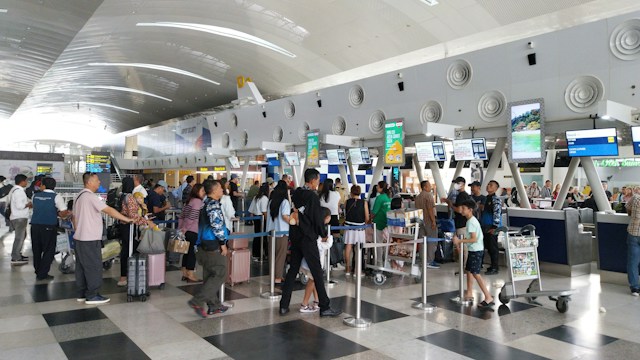
Business travelers could face new uncertainty over who pays for meals and hotel stays when certain flights are delayed or canceled. A U.S. Department of Transportation (DOT) rule taking effect October 19 changes how airlines classify ten types of disruptions, potentially affecting when their commitments to stranded passengers apply.
The rule follows the Trump administration's 2025 decision to abandon a proposal that would have required airlines to compensate passengers for certain carrier-caused delays and cancellations.
Together, the developments put renewed attention on a question corporate travel managers should be prepared to answer: What assistance can employees expect from airlines when their flights go wrong?
New DOT rule changes how airlines classify flight disruptions
The DOT's final rule, published September 3, 2026, creates a new reporting category for ten specific causes of airline delays and cancellations.
The category, known as Section 511(b), separates those events from disruptions reported under the existing "Air Carrier" category, which covers circumstances considered within an airline's control.
The change implements a provision of the FAA Reauthorization Act of 2024, passed before President Donald Trump returned to office. Under the September 2026 final rule, airlines subject to the reporting requirements must classify the specified events separately beginning October 19.
The ten circumstances include several situations business travelers could encounter:
- Medical emergencies requiring attention through no fault of the airline.
- The removal of an unruly passenger.
- Certain cybersecurity attacks, provided the airline complies with applicable cybersecurity regulations.
- Unexpected government system failures that directly affect the airline's ability to operate flights safely.
- Aircraft damage caused by extreme weather, foreign object debris, or sabotage.
- Certain unscheduled maintenance that cannot be deferred or must be addressed before a flight.
- Baggage or cargo loading delays caused by failures of systems outside the airline's or its contractor's control.
- Aircraft cleaning following a passenger's death.
- Overheated brakes resulting from a safety incident that required emergency procedures.
- Airport closures caused by volcanic ash, wind, or wind shear.
Before the change, some of these circumstances could be reported under the Air Carrier category, alongside more familiar carrier-related problems such as crew scheduling and routine maintenance.
The new classification provides a separate way to track the events that Congress specified.
Why the change could affect airline meal and hotel assistance
For travelers facing extended delays or overnight cancellations, the consequences may extend beyond how DOT statistics are reported.
Airlines frequently distinguish between disruptions they control and those outside their control when deciding whether to provide meals, hotel accommodations, or transportation.
The DOT's Airline Cancellation and Delay Dashboard identifies which major U.S. airlines have committed to providing these services during qualifying carrier-controlled disruptions.
For example, the dashboard shows commitments from all nine listed carriers to provide meals or meal vouchers for qualifying disruptions that result in waits of at least three hours. Most also commit to providing hotel accommodations during qualifying overnight disruptions, although the exact commitments vary by airline.
The new reporting category creates a potential complication.
If an incident is excluded from the Air Carrier reporting category, an airline may consider that classification when determining whether the disruption qualifies for assistance under its customer-service policies.
As Business Travel News reported on October 12, travelers could consequently find that meals or lodging are unavailable in some circumstances where they might previously have expected assistance.
Consider an aircraft that unexpectedly requires safety-critical maintenance before departure.
Some mechanical problems traditionally fall within an airline's control. But the new category specifically covers certain unscheduled maintenance that cannot be deferred or must be addressed before the flight.
That distinction could become relevant to a traveler asking whether the airline will pay for an overnight hotel stay.
The rule itself does not directly rewrite every airline's customer-service plan or establish a blanket exemption from existing promises. It changes the federal reporting classifications. Whether and how an airline applies those categories to its assistance policies will require attention to the airline's actual commitments and the circumstances of the disruption.
The DOT continues to state that airlines must honor promises made in their customer-service plans. Travelers should therefore check the published policy rather than assuming a new disruption category automatically disqualifies them from assistance.
The Trump administration also abandoned a proposed passenger compensation rule
The October 2026 change follows another significant decision involving airline passenger protections.
In September 2025, the Trump administration announced that it would abandon a Biden-era initiative that explored requiring airlines to provide compensation and assistance for certain disruptions within their control.
The proposal originated in a December 2024 advance notice of proposed rulemaking. It examined requirements for cash payments and services such as meals, rebooking, lodging, and related transportation.
Reuters reported on September 4, 2025, that the administration would drop the plan. The proposal had considered payments ranging from $200 to $300 for certain shorter domestic disruptions, with larger amounts for longer delays.
The decision ended the federal rulemaking effort before those proposed compensation requirements became law.
The DOT's official regulatory record identifies November 17, 2025, as the formal withdrawal date.
That chronology is important. Passengers did not lose an existing federal entitlement to those proposed cash payments because that entitlement had never taken effect.
However, the withdrawal means airlines are not subject to the additional nationwide compensation requirements contemplated in that rulemaking.
The airline industry supported the move.
As Business Travel News reported, Airlines for America criticized the earlier proposal, arguing that it would increase ticket prices and impose additional operational burdens.
The disagreement illustrates the competing arguments around mandatory disruption compensation: consumer advocates have sought more standardized assistance, while airlines have argued against requirements they say would increase costs.
For corporate travel managers, the practical result is that published airline commitments remain an important source of information about assistance beyond federally required refunds.
What passenger rights remain in effect?
Despite these changes, federal rules still provide important protections for passengers whose flights are disrupted.
The DOT's automatic refund requirements remain in place.
Generally, if an airline cancels a flight or makes a qualifying significant schedule change, passengers who decline alternative transportation or compensation are entitled to a refund.
Qualifying significant changes include domestic flights scheduled to depart at least three hours earlier or arrive at least three hours later than originally scheduled. For international itineraries, the threshold is six hours. Changes to airports, additional connections, certain accessibility-related changes, and involuntary cabin downgrades can also trigger refund protections.
Airlines must generally provide qualifying refunds to the original payment method within seven business days for credit card transactions or 20 calendar days for other payments.
Those protections apply regardless of whether the airline caused the disruption.
In practice, this creates an important distinction:
Refund rights: Federal rules govern when travelers can recover the cost of qualifying unused transportation.
Disruption assistance: Meals, lodging, transportation, and additional compensation depend largely on applicable airline commitments and policies, rather than a universal federal requirement covering every disruption.
Published customer-service commitments are consequential. According to the DOT, airlines are required to honor those promises, and the agency can hold them accountable.
Travel managers and travelers should understand both sets of protections before making decisions about a disrupted itinerary.
For a detailed explanation, see Christopherson's guide to your rights when flights go wrong.
What the changes mean for corporate travel managers
The new classifications introduce another consideration when managing flight disruptions. A traveler may know that a flight has been canceled without immediately knowing whether the airline will provide a hotel room, cover meals, or reimburse related transportation.
That uncertainty can affect employee expenses, after-hours support, and the way companies communicate their policies.
Travel managers can take several steps to prepare.
1. Review airline customer-service commitments
Check the DOT's airline cancellation and delay dashboard and the policies of your organization's most frequently used carriers.
Pay particular attention to how each airline defines carrier-controlled disruptions and which services it promises when a flight is delayed or canceled.
The October 19 implementation date provides a useful point for reviewing whether airlines update their policies or explanations of eligible disruptions.
2. Clarify who pays when the airline does not
A traveler facing an overnight disruption may need lodging even when the airline declines to provide it.
Corporate travel policies should make clear what expenses employees may book, which approvals are required, and what documentation they need for reimbursement.
Travel managers should also review applicable corporate card and travel insurance benefits. Depending on the coverage, those programs may help with certain expenses the airline does not pay.
3. Establish a clear disruption response process
When flights are canceled, travelers often need to decide quickly whether to accept a replacement itinerary, request a refund, or make alternative arrangements.
The decision may depend on the purpose of the trip, the availability of other flights, company policy, and the cost of extending the stay.
Travelers should know how to reach their company's designated travel support channel, especially outside normal business hours.
They should also understand that accepting and taking a replacement flight generally means they cannot separately claim a refund of the original ticket price under the DOT's cancellation and significant-change refund rules.
4. Document the cause of the disruption
The reason an airline gives for a cancellation or delay may become increasingly relevant when travelers request meals or lodging.
Employees should save airline notifications, keep receipts, and document what assistance the airline offered or declined.
If an airline refuses a benefit listed in its customer-service commitments, that documentation may help support a request for review.
Unresolved problems can be escalated through the airline's complaint process and, when appropriate, through the DOT's consumer complaint system.
5. Monitor how airlines apply the new categories
The reporting change takes effect October 19, but its effect on individual airline assistance decisions will become clearer through implementation.
Travel managers should monitor customer-service policies, traveler experiences, and any additional DOT guidance rather than assuming every airline will respond identically.
This is also an opportunity to review how disruption-related expenses are tracked and whether travelers are receiving the assistance promised under applicable airline policies.
Preparing travelers for changing airline policies
The latest DOT actions leave corporate travel managers with two distinct responsibilities: understanding the passenger protections that federal law continues to require and keeping track of the assistance airlines promise when disruptions occur.
Automatic refund rights remain a valuable protection. Meals, hotels, rebooking options, and additional compensation can be more dependent on the airline, the cause of the disruption, and the company's own travel arrangements.
Clear policies and accessible traveler support can reduce confusion when employees must make decisions away from home.
Christopherson works with organizations to manage corporate travel through booking, traveler support, and program management services. Reviewing disruption procedures and airline policies together can help companies prepare for situations in which travelers need assistance and answers quickly.
Frequently asked questions about the DOT airline rule changes
Can airlines deny hotel or meal assistance under the new DOT rule?
The new rule does not automatically release airlines from their customer-service commitments. However, it creates a separate reporting category for ten types of flight disruptions that could affect how airlines determine whether assistance applies. Travelers should check their airline's published policies and ask whether their specific disruption qualifies for meals, lodging, or transportation.
Do the new DOT disruption classifications apply to all airlines?
The new reporting requirements apply to airlines subject to the DOT's flight delay and cancellation reporting regulations, rather than every airline operating in the United States. However, the broader question of which disruptions qualify for customer-service assistance can affect travelers flying with different carriers. Each airline's published commitments should be reviewed individually.
What can travelers do if an airline refuses assistance during a disruption?
Ask the airline to explain why the disruption does not qualify for assistance and compare its response with its published customer-service commitments. If the airline appears to have failed to honor a commitment, contact its customer service team and retain documentation of the disruption and any related expenses. Travelers who cannot resolve the issue may file a complaint with the DOT.
Connect with Christopherson to discuss how your travel program supports employees when flights are disrupted.
► You’ll also like: How to travel with GLP-1 medication: A guide for business travelers