For a business traveler taking Wegovy, Ozempic, Mounjaro, Zepbound, or another GLP-1 or related medication, packing a prescription can require more thought than putting it in a carry-on.
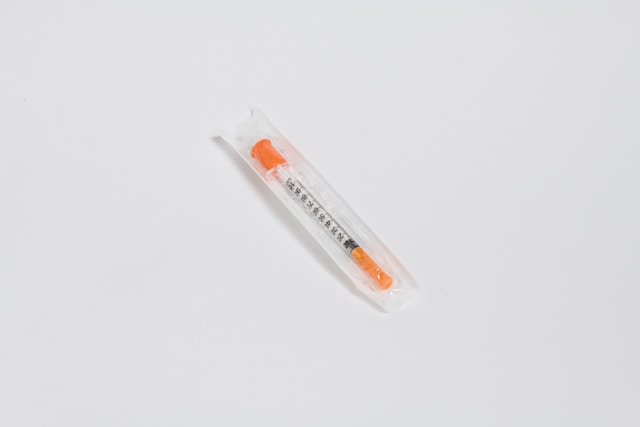
Many of these medications are injectable. Some need refrigeration, and each has specific storage instructions and temperature limits. Travelers may also need to bring pens, syringes, needles, or cooling packs through airport security. International travel can add customs requirements as well.
Christopherson’s general guide to flying with medication covers broader TSA rules, prescription documentation, and medication packing. GLP-1 users have several additional details to consider because storage and handling instructions vary by product.
Travelers should always follow the instructions for their specific medication and talk with a doctor or pharmacist about dosing or medical concerns before a trip.
Check the storage instructions for your specific GLP-1 medication
Temperature control is one of the biggest differences between traveling with GLP-1 injectables and many other prescriptions.
Storage rules vary by medication, and the limits are not interchangeable.
The current prescribing information for Wegovy injection says pens should normally be refrigerated between 36°F and 46°F. If needed, they can be kept between 46°F and 86°F for up to 28 days. Wegovy should not be frozen.
For the commonly used multi-dose Ozempic pen, new and unused pens should be refrigerated between 36°F and 46°F. After first use, a pen can be stored for 56 days either in the refrigerator or at room temperature between 59°F and 86°F.
Mounjaro and Zepbound have another window for their single-dose pens and vials. Current prescribing information allows those products to remain unrefrigerated at temperatures up to 86°F for as long as 21 days. Both should be protected from light and should never be frozen. Zepbound instructions also state that a single-dose pen or vial stored at room temperature should not be returned to the refrigerator.
Those differences make the package instructions worth checking before every trip, particularly because available delivery devices and formulations can change.
An insulated medication bag can help on longer journeys. The U.S. State Department advises travelers whose medication requires refrigeration to consider an insulated bag and request a hotel room with a small refrigerator. It also recommends packing medications in carry-on luggage rather than checked bags.
Travelers should avoid putting an injectable directly against frozen ice or a refrigerator cooling element when the medication’s instructions warn against freezing. Both Wegovy and Ozempic, for example, specifically state that the medications should not be frozen.
At hotels, travelers should also confirm that a refrigerator can accommodate their medication storage needs rather than assuming a minibar will work.
Keep GLP-1 medication and injection supplies in your carry-on
GLP-1 medication should generally stay with the traveler rather than going into checked baggage.
TSA allows travelers to pack medication in either carry-on or checked baggage, but the agency specifically recommends keeping it in a carry-on when immediate access may be needed. The State Department also recommends carrying medication rather than checking it because checked luggage can be lost or delayed.
That advice can be particularly useful for temperature-sensitive medication because a lost or delayed checked bag could also separate the traveler from a scheduled dose.
Needles and syringes can go through a U.S. airport checkpoint. TSA says unused syringes are allowed when accompanied by injectable medication, although travelers must declare the items to security officers for inspection. TSA recommends, but does not require, medication to be labeled to help with the screening process.
Cooling supplies are also allowed. TSA permits medically necessary gel ice packs in reasonable quantities even when they are partially melted or slushy. Travelers should notify the TSA officer that the cooling supplies are medically necessary and present them for inspection.
TSA does not require prescription medication to remain in prescription bottles for domestic screening, although state labeling laws may apply. International travelers have stronger reasons to keep medication in its original packaging because customs requirements differ by country.
International travelers should check medication rules before departure
A valid U.S. prescription does not automatically settle the question of what can be carried into another country.
The FDA cautions travelers against assuming that a prescription medication approved in one country is approved in another. It advises travelers leaving the United States to contact their destination country for guidance.
The State Department advises travelers to check with the foreign embassy of each country they plan to visit or pass through for prescription restrictions. It also recommends bringing enough medication for the trip plus a few extra days, carrying copies of prescriptions, and asking a doctor for a letter listing prescription medications by their generic names.
The CDC gives similar advice, including checking the embassies of destinations and countries where the traveler has a layover. It recommends keeping medication in original, labeled containers and carrying copies of written prescriptions. For travelers using injectable medicines, the CDC also recommends asking the prescribing healthcare provider for a note.
That guidance is particularly useful on multi-country business itineraries. A traveler connecting through one country before continuing to another should check the applicable rules before departure.
Travelers also should not assume that a lost or damaged GLP-1 dose can easily be replaced overseas. The CDC notes that medicines available in the United States may not be available in other countries and warns that counterfeit drugs are common in some destinations. It recommends bringing enough medication for the entire trip, plus extra for travel delays.
Treat the scheduled injection as part of the itinerary
Wegovy, Ozempic, Mounjaro, and Zepbound injections are generally administered once weekly according to their prescribing information. That can simplify travel compared with medications that must be taken several times a day, but longer trips can still overlap with an injection day.
Travelers crossing multiple time zones or the International Date Line should check their medication schedule before departure. The State Department recommends discussing schedule changes with a doctor when changing time zones, and the CDC advises travelers to ask a healthcare provider how time-zone changes affect when medication should be taken.
Each medication also has its own instructions for changing a dosing day or handling a missed dose. Travelers should follow those instructions or ask their pharmacist or prescriber rather than independently skipping, doubling, or moving a dose to fit a flight or meeting schedule.
Account for GLP-1 side effects during travel
Gastrointestinal side effects are another practical consideration.
Current prescribing information for GLP-1 and related medications lists gastrointestinal effects that can include nausea, vomiting, diarrhea, abdominal pain, and constipation. Zepbound’s prescribing information also warns that gastrointestinal reactions can sometimes be severe and notes the risk of acute kidney injury due to volume depletion.
Those symptoms can be harder to manage during a long flight, a connection, or a full day of meetings. Travelers who experience persistent or severe symptoms should follow their medication guidance and contact a healthcare provider as appropriate.
Someone who is starting treatment or increasing a dose shortly before a trip may also have additional questions for their prescriber. A medical professional can provide guidance based on the medication and the traveler’s health history.
How travel managers can support travelers using injectable medications
Travel managers do not need to know which employees take GLP-1s, and travelers should not have to disclose a diagnosis simply to get basic trip support. Instead, companies can build neutral guidance for anyone traveling with injectable or temperature-sensitive medication:
- Include medication resources in pre-trip information: Link travelers to current TSA, CDC, and State Department guidance rather than trying to interpret medical instructions internally.
- Help with refrigeration requests: If a traveler asks for a refrigerator, confirm the request with the hotel and determine whether the property can accommodate medication storage needs.
- Encourage preparation for disruptions: The State Department and CDC recommend bringing enough medication for the trip plus extra in case of delays.
- Make support easy to reach: A canceled flight or unexpected overnight stay can create logistical problems for someone carrying temperature-sensitive medication. Travelers should know whom to contact when an itinerary changes.
For travel managers, the focus should remain on practical trip support rather than medical decisions.
A little GLP-1 planning can prevent a bigger problem on the road
For U.S. airport security, TSA permits medications, injectable supplies, and medically necessary cooling packs when travelers follow the applicable screening procedures. International trips require another check because medication and customs rules can vary by destination and transit country.
Checking the exact temperature limits, keeping medication and injection supplies accessible, reviewing international rules, and planning for the next scheduled dose can prevent problems that are harder to solve once a traveler is already on the road.
► You’ll also like: Your guide to flying with medication: TSA rules and tips