Last month's business travel news includes regulatory changes shaping the traveler experience, from renewed efforts to ban in-flight calls to airports exploring private security screening. Europe has also delayed the launch of ETIAS, while Christopherson introduced Andavo Booking to integrate online booking with policy, program data, and advisor support throughout the trip.
Christopherson launches Andavo Booking, integrating booking and service across the full trip
Christopherson Business Travel has launched Andavo Booking, an online booking tool built directly into its Andavo platform to connect air, hotel, and car reservations with company policy, negotiated rates, payments, risk management, reporting, and advisor support. Developed in-house, the tool is designed around the full business trip lifecycle, giving travelers, administrators, and advisors access to a shared trip record while helping organizations apply policy, manage costs, and support travelers when plans change.
Learn more
Congress renews its effort to ban in-flight phone calls
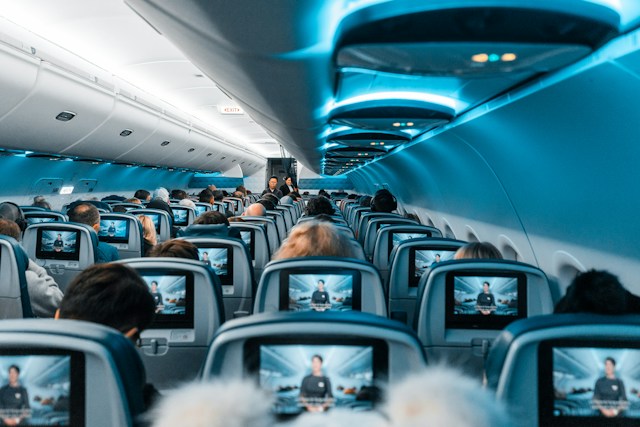
A bipartisan group of U.S. lawmakers has introduced the Quiet Skies Act, which would require federal regulators to prohibit passengers from making voice and video calls on commercial flights within 180 days of passage. The renewed effort comes as faster satellite Wi-Fi makes in-flight calls increasingly feasible, prompting support from GBTA and others who warn that widespread calling could disrupt the cabin experience and create safety concerns.
Learn more
Europe delays start of ETIAS until at least 2027
The European Union has postponed the full rollout of the European Travel Information and Authorisation System until at least 2027 as officials address technical problems and long wait times associated with its new biometric Entry/Exit System. Once launched, ETIAS will require visa-exempt travelers, including visitors from the United States, to obtain electronic authorization and pay a €20 fee before entering 30 European countries.
Learn more
3 U.S. airports plan to replace TSA agents with private contractors
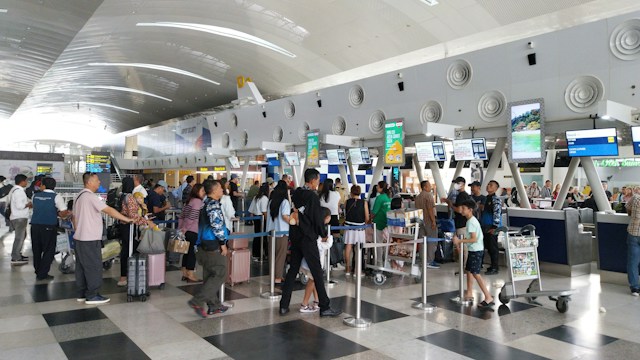
Three U.S. airports—Des Moines, Charleston, and Tampa—plan to replace federal TSA screeners with private contractors under the new TSA Gold+ program beginning in 2027. The initiative follows severe staffing shortages and long security lines during the March government shutdown, when airports already using private screeners largely maintained normal wait times, though the union representing TSA officers argues privatization could threaten jobs and aviation security.
Learn more
► You’ll also like: Christopherson partners with Airbnb to expand corporate travel options