Europe’s new Entry/Exit System was designed to modernize border control. For many travelers, the first weeks have felt more crowded than modern.
The system, known as EES, became fully operational on April 10, 2026, after a phased rollout that began in October 2025. It replaces manual passport stamping with digital records of entries, exits, and refusals of entry for non-EU nationals visiting for short stays, according to the European Commission.
Travelers’ facial images, fingerprints, and passport data are recorded at the border. The Council of the European Union describes EES as a way to improve border management and help authorities track short-stay visitors more accurately, including enforcement of the 90-days-in-180-days rule.
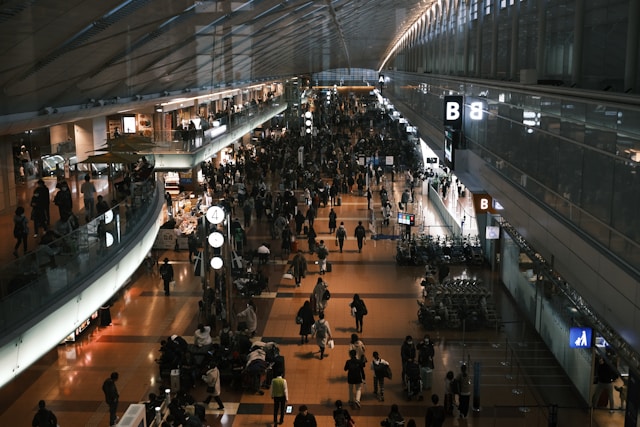
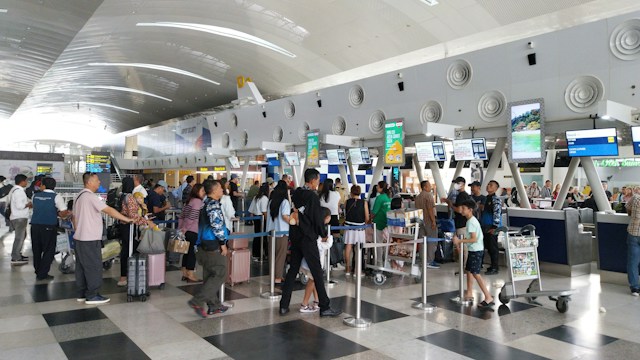
The early impact, however, has been uneven and sometimes difficult. Euronews reported queues of up to three hours and missed flights shortly after full launch, with airline groups asking the European Commission to allow full or partial suspension of EES where needed through the summer.
Business Insider also cited two- to three-hour lines at some major European airports and warned travelers to expect longer waits during the busy summer travel period.
For business travelers, the problem is not only the wait itself. A long border line can affect the rest of the itinerary: missed same-day meetings, tight Schengen connections, delayed airport transfers, and travelers needing help after normal business hours.
“Border processing has always been part of international travel planning, but EES changes the margin for error,” said Paul Foster, a strategic consultant at Christopherson. “Travel managers should treat first-entry Schengen arrivals as a higher-risk point in the itinerary, especially this summer.”
What is the Entry/Exit System?
The Entry/Exit System is the European Union’s new digital border system for many non-EU travelers entering and leaving the Schengen Area for short stays. Instead of receiving a physical passport stamp, eligible travelers are registered electronically when they cross an external Schengen border.
EES records the traveler’s passport information, entry and exit dates, and biometric data. The EU says the system is intended to make border checks more accurate, identify overstays more easily, and replace manual passport stamping with a shared digital record.
For corporate travel to Europe, the change matters because the first EES registration can take longer than a traditional passport check. That added time can affect airport transfers, onward flights, and same-day meeting plans.
Who does EES apply to?
EES applies to many non-EU and non-Schengen nationals traveling to the Schengen Area for short stays. That includes many U.S. and Canadian passport holders traveling for business, meetings, conferences, or tourism for up to 90 days within a 180-day period.
The Schengen Area includes 29 countries. It covers most EU countries, along with Iceland, Liechtenstein, Norway, and Switzerland. Ireland and Cyprus are not part of EES. The United Kingdom is also outside the Schengen Area, so EES does not apply at U.K. borders.
The first Schengen entry point matters. A traveler flying from Chicago to Paris and then connecting to Barcelona will usually clear Schengen border control in Paris. A delay there can affect the onward flight, even if the final meeting is in Spain.
Why are EES border delays building?
EES border delays are building because many travelers must complete first-time biometric registration at already busy entry points. That process can include facial image capture, fingerprint collection, and passport verification at a kiosk or border counter.
The pressure points are predictable: high passenger volume, first-time registration, staffing limitations, airport layout, and inconsistent local implementation.
Large international gateways are likely to feel the strain first. Travel managers should watch major arrival points such as Paris Charles de Gaulle, Amsterdam Schiphol, Madrid, Lisbon, Frankfurt, Brussels, and other high-volume Schengen entry airports.
The challenge is not limited to airports. The Times reported that French authorities temporarily paused EES checks at the Port of Dover after queues reached four hours during the U.K. bank holiday rush.
The Guardian also noted that extra EES checks were suspended at Dover after travelers faced long delays in hot weather, with officials reverting to faster processing to ease congestion.
That kind of operational disruption matters for corporate travel management because border control is one of the few parts of a trip that a traveler cannot control. A traveler can arrive prepared, but they cannot speed up a kiosk failure, a staffing shortage, or a sudden decision by authorities to change processing procedures.
“Travelers are used to thinking about flight delays,” said Foster. “This is different. A flight can arrive on time, and the traveler can still lose two hours at the border. That needs to be reflected in booking guidance and traveler communications.”
How can travel managers prepare for EES travel delays?
Travel managers can prepare by adjusting itinerary planning, communicating clearly with travelers, and treating first-entry Schengen arrivals as a higher-risk point in the trip.
The most useful guidance is direct and practical. Travelers don’t need a complicated explanation of the entire EES program before every trip. They need to know whether it applies to them, what will happen at the border, and how to build a safer itinerary.
Build in longer arrival buffers
For summer 2026, conservative buffers are the safer choice. Travelers arriving at major Schengen airports should avoid schedules that depend on a fast immigration process.
For same-day meetings, consider later start times or a buffer day when the meeting is high value. For executives or project teams with fixed commitments, the added hotel night may cost less than a missed meeting.
Avoid tight onward Schengen connections
Same-day Schengen connections after a transatlantic arrival are now riskier. A 90-minute or two-hour connection may not be enough if the traveler must complete first-time biometric registration.
For example, a traveler flying from New York to Amsterdam and then onward to Munich could be delayed at passport control in Amsterdam before reaching the connecting gate. When possible, choose longer connection windows or direct flights into the final Schengen destination.
Prepare travelers for first-time biometric registration
The first EES registration is expected to take the longest. Travelers should know that they may need to provide fingerprints and a facial scan before entering the Schengen Area.
A traveler who has already registered may move faster on a later trip, but that will depend on the airport, the technology, and local procedures. Travel managers should not assume a frequent traveler will be processed quickly unless they have already completed EES registration on a previous trip.
Have documents ready before reaching the counter
Travelers should keep their passport, return or onward ticket details, lodging information, and meeting or business travel details accessible. Border officials may ask for proof of accommodation, purpose of travel, or return plans.
Incomplete documentation slows down the traveler and the line behind them. For business travelers, a clean itinerary, hotel confirmation, and meeting details can help answer questions quickly.
Watch airline and airport communications
Airlines and airports may adjust guidance as the summer develops. Some carriers may revise minimum connection times, recommend earlier arrival, or issue airport-specific alerts. Travelers should read pre-trip airline messages instead of treating them as routine email clutter.
Travel managers should also consider adding EES reminders to pre-trip communications for Europe-bound travelers.
What EES means for Europe business travel programs
EES is a border-control change, but its effects show up in travel operations.
Travel managers may see more travelers requesting help after missed connections, longer transfer waits, and last-minute itinerary changes. Executive assistants may need to rethink same-day arrival plans for leadership teams. Finance teams may see added hotel nights, rebooking fees, or unused segments when a border delay disrupts the original plan.
The issue also affects duty of care. If a traveler is delayed in passport control for several hours, their ground transportation, hotel arrival, and meeting schedule may all change. Travel teams need visibility into itineraries and a clear support path when travelers need help.
“Good travel management is partly about anticipating friction before the traveler feels it,” said Foster. “EES is a good example. The rule is external, but the program response is something companies can control.”
Does EES apply to the U.K.?
EES does not apply to arrivals at U.K. borders because the U.K. is not part of the Schengen Area. Travelers arriving in London, Manchester, Edinburgh, or other U.K. airports will not complete EES registration there.
The U.K. has its own digital travel requirement. The U.K. Electronic Travel Authorisation, or ETA, is now required for many visa-free travelers, including U.S. and Canadian visitors, before travel. According to the U.K. government, travelers from eligible nationalities need an ETA or visa to visit, transit, or come to the U.K. for certain short stays.
The U.K. government also announced that carriers are expected to check ETA status before travel under its “no permission, no travel” approach.
For travelers combining the U.K. and Schengen countries on one trip, both systems may matter. A traveler may need a U.K. ETA to board a flight to London and then complete EES registration when later entering France, Germany, Spain, or another Schengen country.
Europe business travel planning checklist for EES delays
For travel teams, the goal is not to predict every border delay. It is to build itineraries that can absorb them. Before booking or approving Europe itineraries, travel teams should review:
- Whether the traveler will enter the Schengen Area.
- Whether this is the traveler’s first EES registration.
- Which airport or border point is the first Schengen entry.
- Whether the itinerary includes a tight onward Schengen connection.
- Whether a same-day meeting depends on a quick border process.
- Whether the traveler has lodging, return ticket, and business-purpose details ready.
- Whether the airline or airport has issued updated EES guidance.
- Whether the traveler also needs a U.K. ETA for any U.K. portion of the trip.
The best approach is to treat EES as a planning variable, not a one-time travel alert. The system may become smoother over time. For now, summer volume, first-time registrations, and uneven airport operations make extra planning worthwhile.
Travelers may not remember the acronym. They will remember waiting three hours at passport control. Travel managers can reduce the risk by building more time into itineraries, avoiding fragile connections, and giving travelers clear instructions before they reach the border.
► You’ll also like: International business travel checklist: 9 essential steps for employees traveling abroad
EES FAQs
What is EES?
EES is the European Union’s Entry/Exit System. It digitally records entries, exits, and refusals of entry for many non-EU travelers entering the Schengen Area for short stays. It replaces manual passport stamping with electronic records and biometric registration.
Who does EES apply to?
EES applies to many non-EU and non-Schengen nationals traveling to the Schengen Area for short stays, including many U.S. and Canadian passport holders traveling for business or tourism for up to 90 days within a 180-day period.
Why are EES lines longer?
First-time registration requires biometric data, including a facial image and fingerprints. At busy airports, that added step can slow border processing, especially when many travelers are registering for the first time.
Does EES apply in the United Kingdom?
No. EES does not apply at U.K. borders. The U.K. has a separate ETA requirement for many visa-free travelers. Travelers going to both the U.K. and the Schengen Area may need to account for both systems.
How should companies prepare travelers for EES delays?
Companies should warn travelers about longer border waits, avoid tight Schengen connections, build more time before same-day meetings, remind travelers to keep documents ready, and monitor airline and airport guidance before departure.