5 corporate travel lessons from January’s massive winter storm
When large-scale disruption hits, small gaps in planning can quickly become major problems. These five lessons highlight where corporate travel programs succeed—and where they often fall short.
January 28, 2026
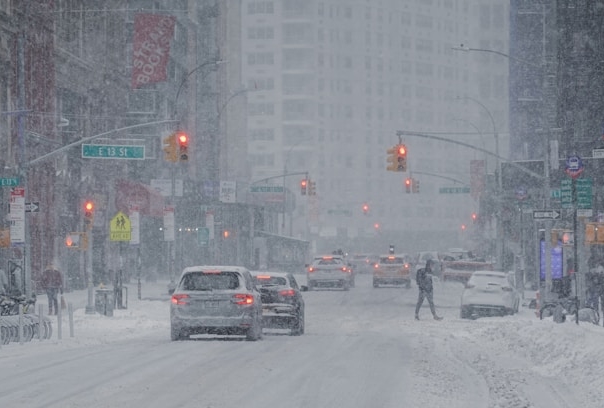
The massive winter storm at the end of January 2026 brought U.S. air travel to a near standstill. Thousands of flights were canceled or delayed nationwide, marking the highest single-day cancellation total since the COVID-19 pandemic and leaving travelers and travel managers navigating rapid, widespread disruption.
While severe weather is an unavoidable part of travel, the scale of this event reinforces several important lessons for corporate travel programs—particularly around planning, flexibility, communication, and response.
1. Weather risk should be part of trip planning, not just trip recovery
Winter weather disruptions are nothing new, but January showed how quickly a regional storm can cascade into a national travel breakdown. Major hubs were forced to cancel large portions of their schedules, impacting travelers far beyond the storm’s immediate footprint.
For corporate travel programs, this highlights the importance of factoring seasonal and geographic weather risk into planning decisions—especially for critical trips. Evaluating routing options, timing, and arrival buffers can help reduce exposure before disruption begins.
“We encourage clients to look at weather risk the same way they look at cost or traveler safety,” explained Dallas Stewart, manager of client consulting services at Christopherson. “If a trip is business-critical, building in flexibility upfront can prevent far bigger challenges later.”
2. Airline travel waivers are only valuable if you act early
In advance of the storm, airlines issued travel waivers that allowed ticket changes without standard penalties. These waivers can be a powerful tool, but their value depends on speed and awareness.
During large-scale disruptions, flight availability can disappear quickly as travelers rebook en masse. Understanding waiver terms and acting early often makes the difference between securing a workable alternative and waiting days for the next available seat.
“Leveraging data analytics to identify the locations of travelers ahead of weather events enables us to better anticipate their needs and utilize the weather waivers as proactively as possible,” explained Angela Cain, Christopherson’s vice president of operations.
Close coordination with a travel management partner ensures waiver opportunities are used strategically, not reactively.
3. Real-time visibility and response capabilities are essential
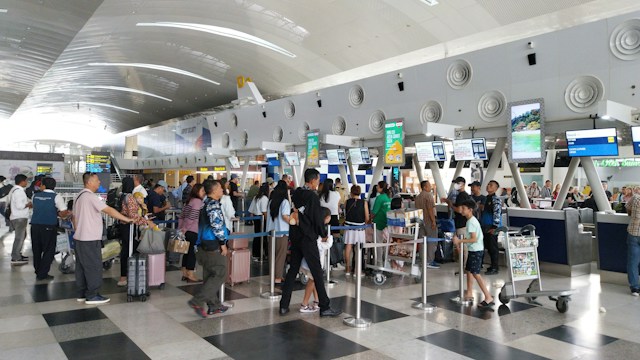
As cancellations escalated throughout the weekend, many travelers found themselves stranded or rerouted multiple times. In situations like this, real-time insight into traveler location and flight status is critical.
Effective corporate travel programs rely on continuous monitoring, clear escalation protocols, and 24/7 support—not just during major events, but as a standard operating model.
“During widespread disruptions, knowing where travelers are and who’s about to be impacted allows us to act before problems compound,” said Stewart. “That visibility is key to protecting travelers and minimizing business impact.”
Rapid response supported by accurate data helps organizations maintain duty of care while keeping travel disruption manageable.
4. Clear traveler communication reduces stress—and escalation
During major disruptions, uncertainty can be just as disruptive as the delays themselves. Travelers may receive conflicting messages from airlines, airports and weather alerts, leaving them unsure of next steps.
Clear, consistent communication from the corporate travel program helps set expectations and reduce unnecessary escalation. Proactively informing travelers about what’s happening, what actions are being taken and what they should—or should not—do can significantly improve the traveler experience during chaotic situations.
“Even when we don’t have immediate solutions, communicating early and often makes a difference” said Whitney Burchill, a customer success manager at Christopherson. “Travelers want to know someone is actively monitoring the situation and advocating on their behalf.”
Strong communication helps reduce anxiety, call volume, and productivity loss during prolonged disruptions.
5. Major disruptions reveal where travel policies need to evolve
Large-scale weather events often expose gaps between travel policy and real-world conditions. Hotel rate caps may be unrealistic during mass cancellations, restrictive fare classes can limit rebooking options, and approval processes may slow decision-making when speed matters most.
Rather than viewing disruptions as one-off crises, organizations can treat them as opportunities to stress-test and refine their travel programs.
“After major events like this, we review what worked and what didn’t, always looking for ways to improve and strengthen our systems and support,” said Matt Cameron, Christopherson's chief consulting officer. “Those insights help us guide clients to adjust policies and clarify processes so their travelers are better prepared the next time disruption hits.”
Post-event analysis ensures travel policies remain practical, flexible, and aligned with traveler needs.
Preparing for what’s next
Extreme weather events may be unpredictable, but their impact doesn’t have to be. January’s storm is a reminder that resilient corporate travel programs are built on proactive planning, fast decision-making, and strong communication.
By integrating weather risk into trip planning, acting quickly when flexibility is available, maintaining real-time visibility, and continuously refining travel policies, organizations can stay prepared—even when conditions change fast.
Interested in strengthening your disruption management approach? Christopherson’s travel experts can help you evaluate risk, improve response strategies, and support travelers when it matters most.