The latest developments highlight ongoing operational strain across the travel sector, particularly within U.S. aviation systems navigating a partial Department of Homeland Security shutdown and TSA staffing challenges. At the same time, the hotel industry is under mounting pressure to prepare for surging demand tied to the 2026 World Cup, even as rising costs and labor shortages threaten readiness.
Airport bottlenecks ease as TSA workers get paid, but shutdown continues
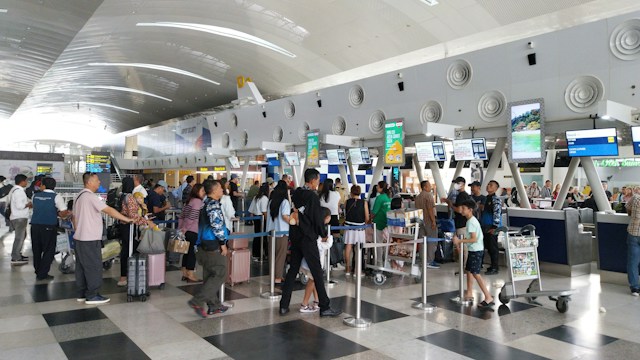
Airport security delays across the U.S. are beginning to ease as TSA officers receive overdue pay following a prolonged government shutdown, reducing wait times at major hubs from hours to minutes. However, staffing shortages persist due to resignations and absenteeism during the pay lapse, meaning some airports still face long lines and operational strain.
The crisis stems from an ongoing political impasse over Department of Homeland Security funding and immigration policy, with President Trump’s emergency pay order offering only partial, short-term relief.
Read more
Global Entry reopens amid DHS shutdown
The Department of Homeland Security reinstated the Global Entry program on March 11 after suspending it for 17 days during the ongoing DHS shutdown. It's a move welcomed by the travel industry as it helps streamline airport processing and ease congestion.
Industry groups, including the U.S. Travel Association, had criticized the suspension, emphasizing that trusted traveler programs improve both security and efficiency while reducing strain on airport resources. The reopening comes as the shutdown—driven by a political standoff over immigration policy.
Read more
Trump deploys ICE agents to U.S. airports. What’s their role?
The Trump administration has deployed Immigration and Customs Enforcement (ICE) agents to U.S. airports to help alleviate severe security delays caused by TSA staffing shortages during the ongoing Department of Homeland Security shutdown.
While officials say ICE agents are assisting with limited duties like monitoring and ID checks, experts note they are not trained for full TSA screening roles, raising concerns about effectiveness and mission clarity. The move comes amid a broader political standoff over DHS funding and immigration policy, with critics arguing the deployment reflects both operational strain and the administration’s expanding use of immigration enforcement in public spaces.
Read more
Survey: Costs, staffing shortages plague hoteliers in 2026
U.S. hoteliers are entering 2026 facing intense cost pressures and ongoing labor shortages, even as travel demand is expected to remain relatively steady, according to an American Hotel & Lodging Association survey.
Operating expenses—particularly for goods, labor, energy, and insurance—are the industry’s top concern, with more than half of properties reporting they are understaffed amid nearly 1 million open hospitality jobs. To address workforce gaps, hotels are increasing wages and offering incentives, but staffing constraints and rising costs continue to challenge profitability and readiness for major events like the 2026 World Cup.
Read more
► You’ll also like: International business travel checklist: 9 essential steps for employees traveling abroad